Beer Reviewed Science – Marine plastic pollution in the Salish Sea, A Wicked Problem
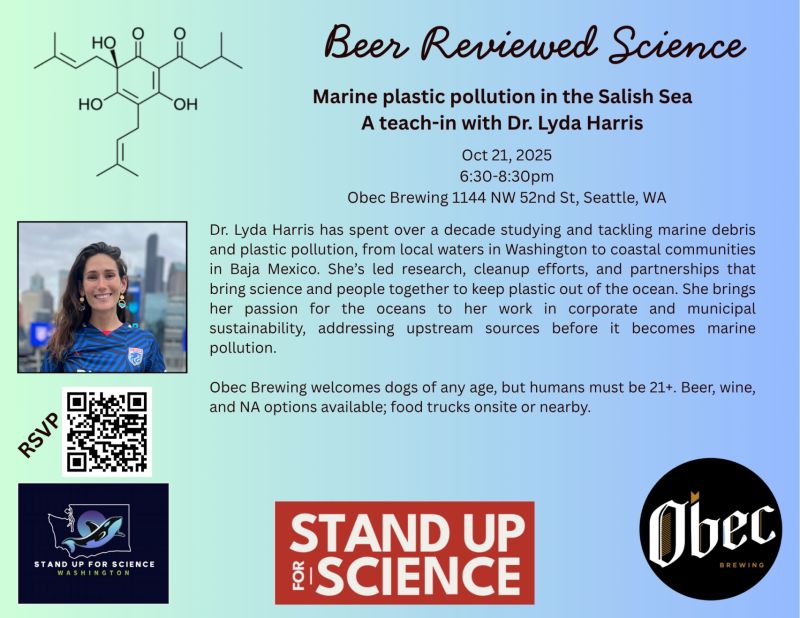
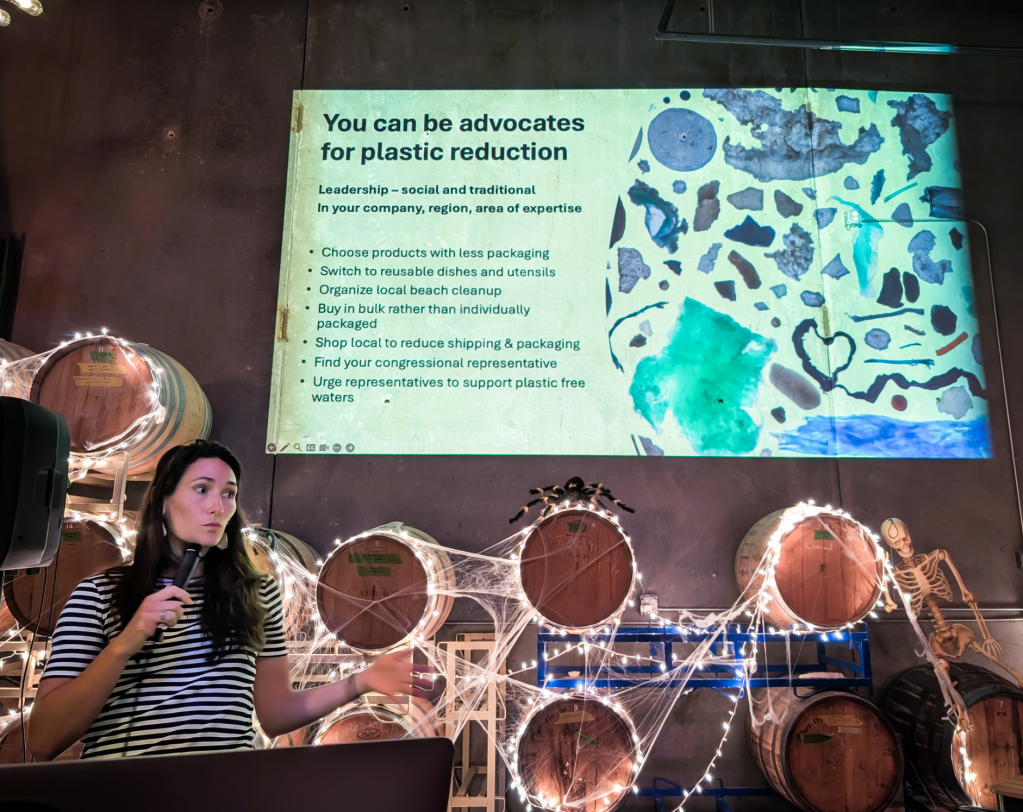
Presenting for my local community, at breweries, with dogs, and for a movement as powerful as Stand Up for Science are a few of my favorite things. I had the wonderful opportunity to discuss how marine plastic pollution is a “Wicked Problem” in an informal conversation during One Ocean Week and for Stand Up For Science Washington. There were over 60 attendees who drank beer, learned about the intersections of plastic pollution and climate change, and asked insightful and educated questions.
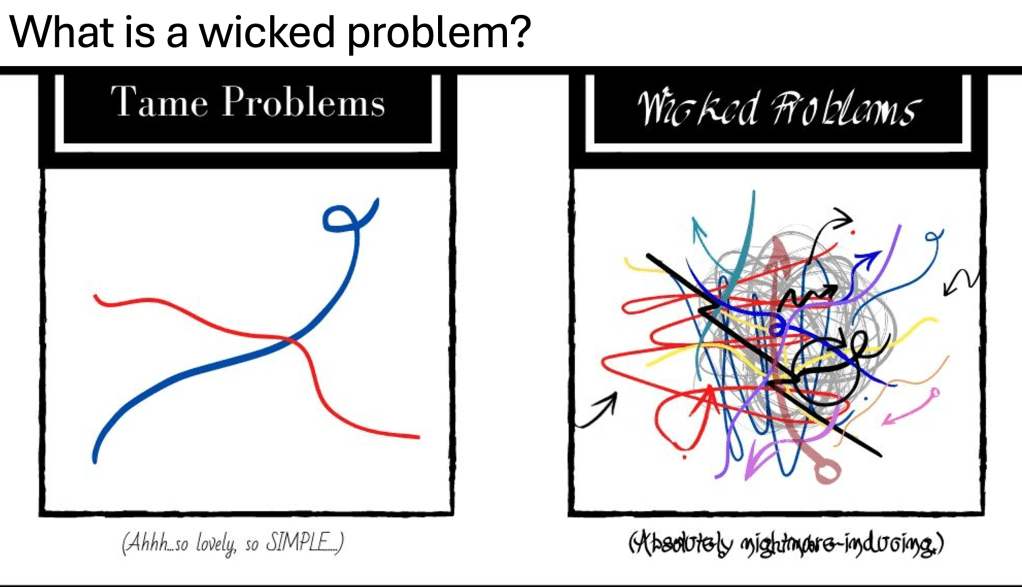
Wicked Problems are complex social or cultural challenges/problems that doesn’t have just one simple solution. Often the problem has interconnected, confounding, incomplete, and contradictory elements. Solutions need to be concurrent, ongoing, multi-faceted and cross-sector to start to turn off the tap of plastic pollution.
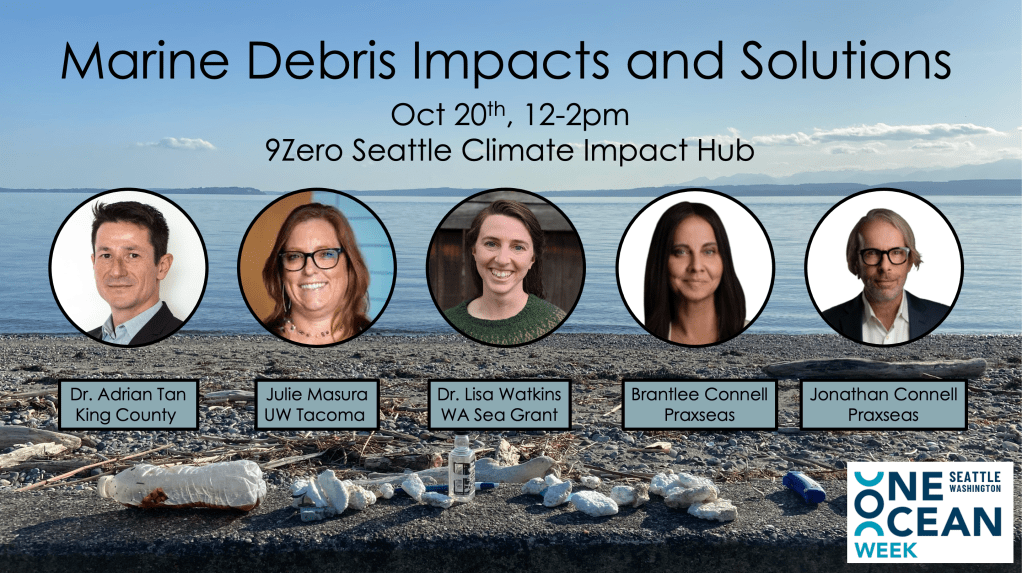
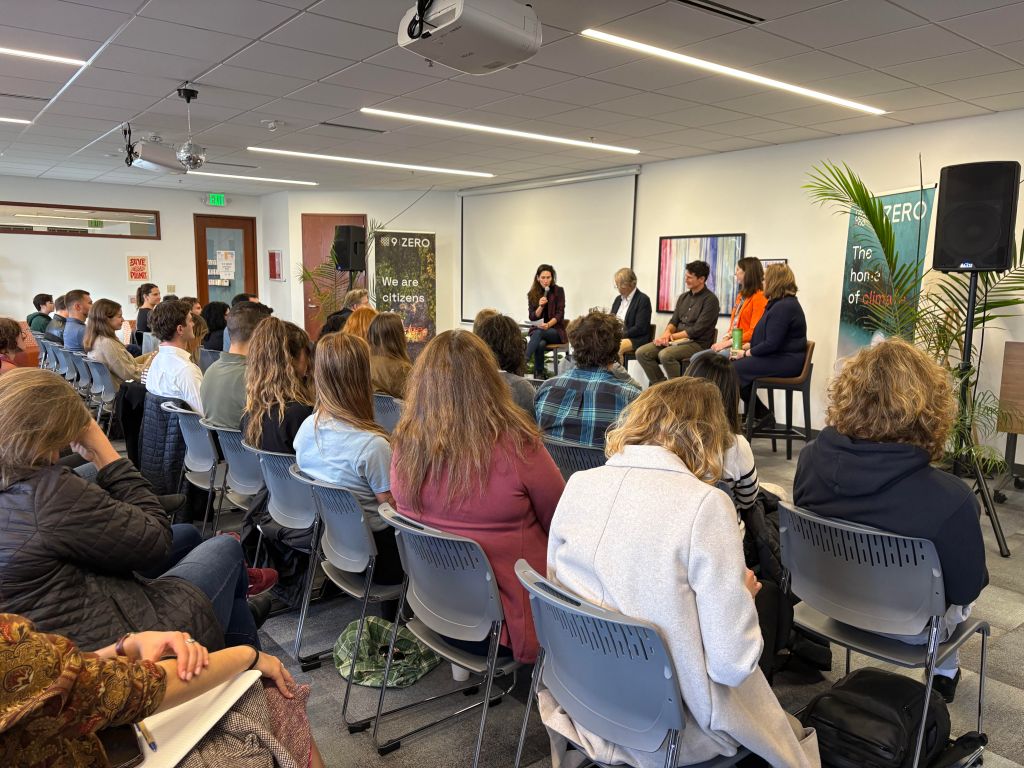
I hosted a panel discussion on Marine Debris Impacts and Solutions in Washington as part of Seattle’s One Ocean Week at 9Zero Seattle Climate Impact Hub! Together, we explored the impacts of plastic pollution on our coastlines and waters, showcased local efforts to prevent and remove debris, and shared ways we can all take action to protect the ocean. We discussed local efforts from research, policy, and action lenses to work together on a problem I deeply care about. We had over 70 attendees, showing the deep interest in marine debris in Seattle!
Each panelist gave a quick introduction to their research, organization, or company then we opened it up to the room for questions. The energy and attention was high throughout the panel. Audience questions were insightful, caring, and lead with curiosity about the problem and potential solutions.
Speakers:
(Host) Dr. Lyda Harris, Pelagic Impact
Prof. Julie Masura, University of Washington Tacoma
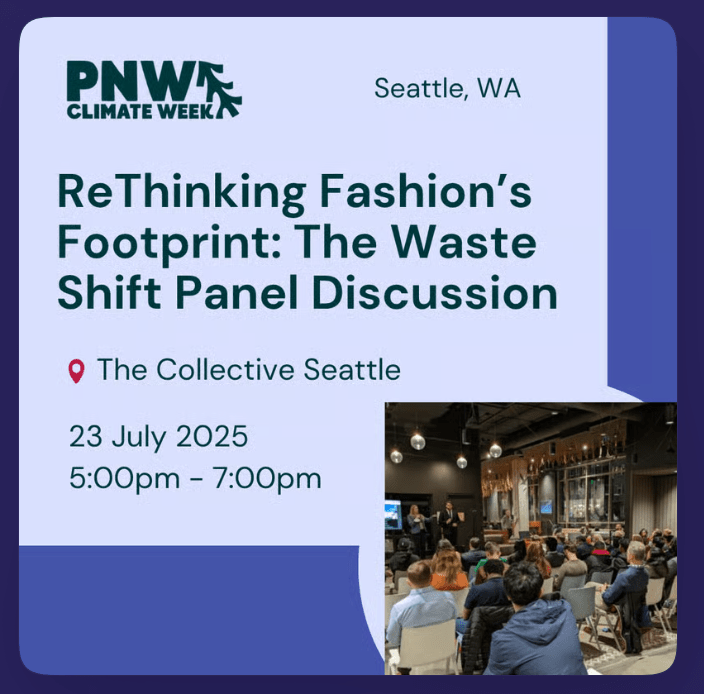
During PNW Climate Week in Seattle, WA, I had the privilege to introduce a panel for the Fashion Track. We discussed fashion, plastic pollution, and overcoming systemic gaps in local textile circularity infrastructure with innovative partnerships for sorting, resale, recycling, and upcycling. Panelists included Evergreen Goodwill of Northwest Washington, Transcend Fashion & Upcycling, and Rag Mine.
As someone who has always LOVED fashion (I made my own HS prom and graduation dresses) and thinks about pollution constantly, this panel is near and dear to my heart. I was excited to delve into the intricacies and interconnectedness of the topics at PNW Climate Week!
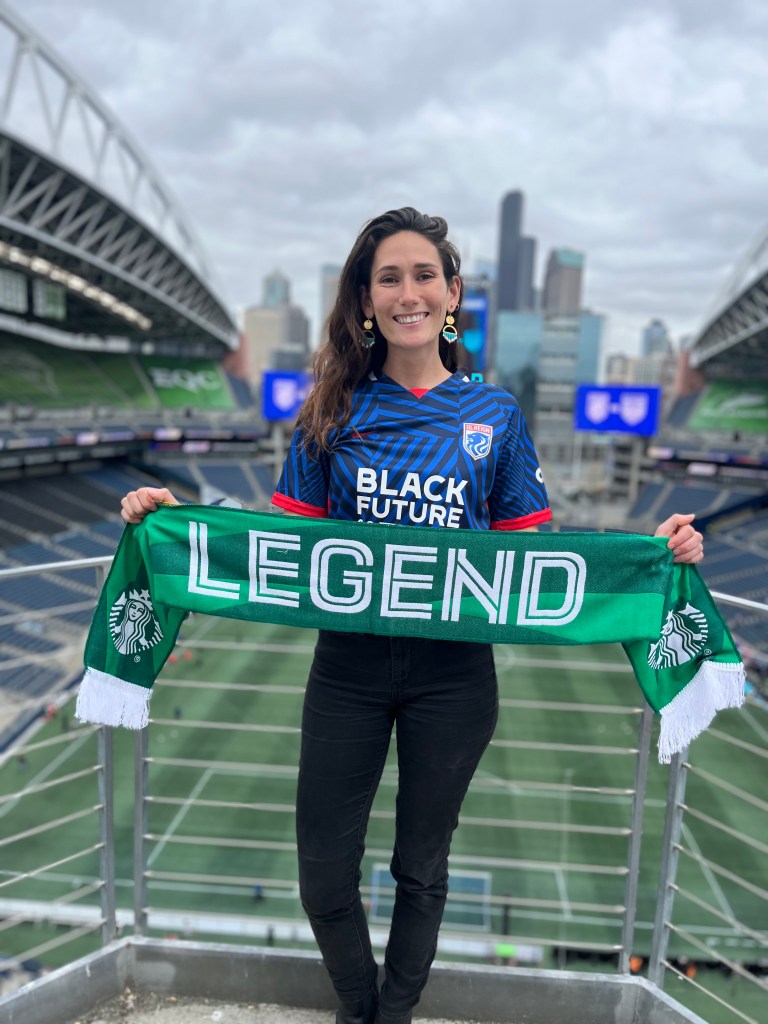
On Earth Day I was honored as a Starbucks OL Reign Legend for my work in marine microplastics, conservation, and sustainability in the Pacific Northwest! The ceremony was on Earth Day right before the match started; the Reign played (and crushed) Chicago Red Stars. Perhaps better than being honored was sharing a space with so many amazing women athletes (I was 5ft away from Megan Rapinoe and fangirled hard). I am eternally grateful to my support systems and the women who enabled me to be here today.
“Dr. Harris’ commitment to sustainability and our planet is making a difference in our community and beyond.”
Shout out to University of Washington, Seattle Aquarium, Boeing, NOAA: National Oceanic & Atmospheric Administration, Harris Environmental Group, Inc, and the Southern Arizona Regional Science and Engineering Fair (SARSEF) for providing space to grow in my career.
In February I had the distinct pleasure to present as an invited speaker at the 73rd Pacific Fisheries Technology Conference in Renton, WA.
Microplastics in our marine environment: Microplastics (plastic < 5mm in size) are ubiquitous in our environment and living in the PNW, we encounter them in unexpected places. The Salish Sea experiences seasonal fluctuations in precipitation, river discharge, sewage overflow events, and tourism all variables thought to have an impact on microplastic transport and concentrations. Through examining seasonality and animal life history traits, we can better understand where and how microplastics are most affecting important marine organisms, ecosystems, and communities.
I started a new position as a sustainability and conservation scientist at Boeing, leading employee engagement and empowerment at the Everett Facility in Washington State. In my role I have the opportunity to implement sustainability and conservation strategies in the largest building in the world (! by volume) and work with 35,000 employees. While this is a big shift for my career and away from research, I am really enjoying the opportunity to instill change for the environment and work with a large company to “move the needle” as they say in the corporate world.
I am a co-PI on the NOAA Marine Debris Prevention Grant “Aventureros Averting Plastics for a Better Baja” with the Vermilion Sea Institute in Bahia de los Angeles, Baja Mexico. This project, driven by youth leadership, will take significant steps toward preventing debris from entering the Bahía de los Ángeles Biosphere Reserve in the Gulf of California. The youth, who participate in an environmental education and action program through Vermilion Sea Institute called Aventureros, will be the drivers for each aspect of the project. The purpose of this approach, both in the program generally and in this project, is to develop a generation of environmental change makers on the Baja Peninsula and to ensure that the community of Bahía de los Ángeles, Mexico is well-prepared to prevent marine debris for decades to come.
The town of Bahía de los Ángeles is located within Baja California, Mexico, along the Gulf of California. While the local population of Bahía de los Ángeles is relatively small, this rural fishing town experiences consistent heavy tourism due to its year round warm weather and designation as a United Nations Educational, Scientific and Cultural Organization Marine World Heritage Site. The town’s waters are home to whale sharks, sea turtles, and numerous other keystone organisms. This influx of people, the need for more sustainable waste prevention and disposal options, and an increase in recent extreme weather events has resulted in significant quantities of waste in the water, on local beaches and wetlands. Increased marine debris ultimately impacts the marine ecosystem and human community subsistence and wellbeing.
The project first approaches the marine debris issue by cleaning the community through conducting monthly beach debris surveys, community beach cleans, compacting trash to prevent dispersal across the landscape, and diverting plastics to be ground, pressed and up-cycled into forms that can be used for sustainable construction projects. Second, the project seeks to address one source of debris, takeout containers from local restaurants. This initiative will engage with community members and businesses through recruiting and subsidizing restaurants to use low-impact takeout containers. Third, through education (both formal and informal) the project will seek input and direction from the Aventureros on the importance of marine debris and how the community should approach the issue. Finally, the project aims to empower youth to be stewards of their community and environment. The Aventureros will lead beach surveys and cleans, speak to restaurants about sustainable take-out containers, and help guide their own education based on the needs they have identified within their community.
Each of the activities listed above will be planned, advertised, and implemented by Aventureros youth, with appropriate support from Vermilion Sea Institute staff and adult volunteers. With marine ecosystems around the world being intrinsically linked, the health of the Gulf of California inevitably affects nutrient cycling, populations of large migratory predators (ie, transient orcas, sharks or larger fish), behavioral patterns of mid-to-small-sized species avoiding migratory predators, and the general stability of marine food webs.
Residents of Bahía de los Ángeles are already familiar with the mission and passion of the Aventureros youth, and this project promises to raise the youth into the unquestioned environmental influencers for this town and critically important marine ecosystem.
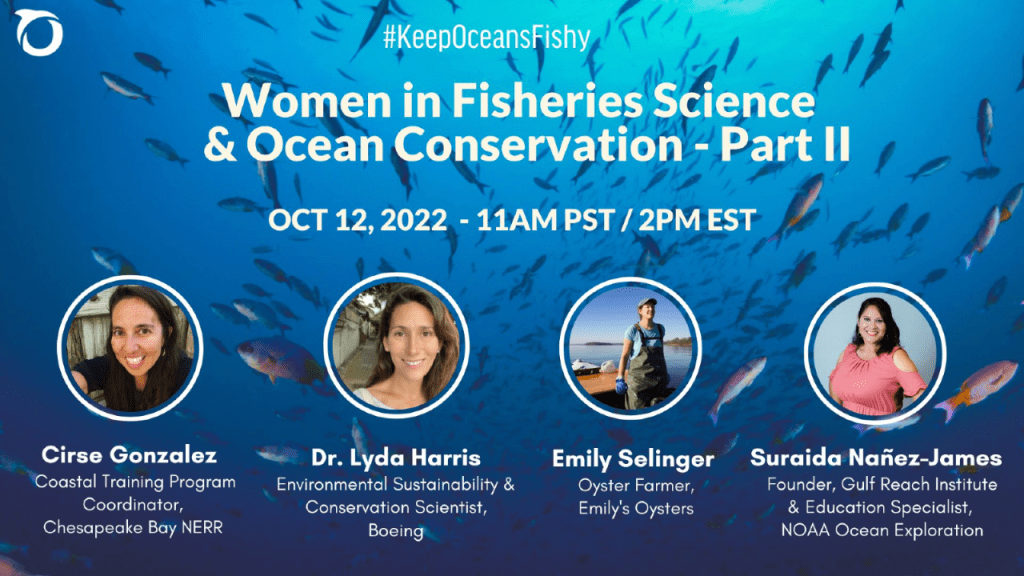
I had the wonderful opportunity to speak on a panel of women in fisheries science and ocean conservation in the fall hosted by Oceana. The event spanned multiple professions and interests and was broadcast across several platforms, both live and recorded.
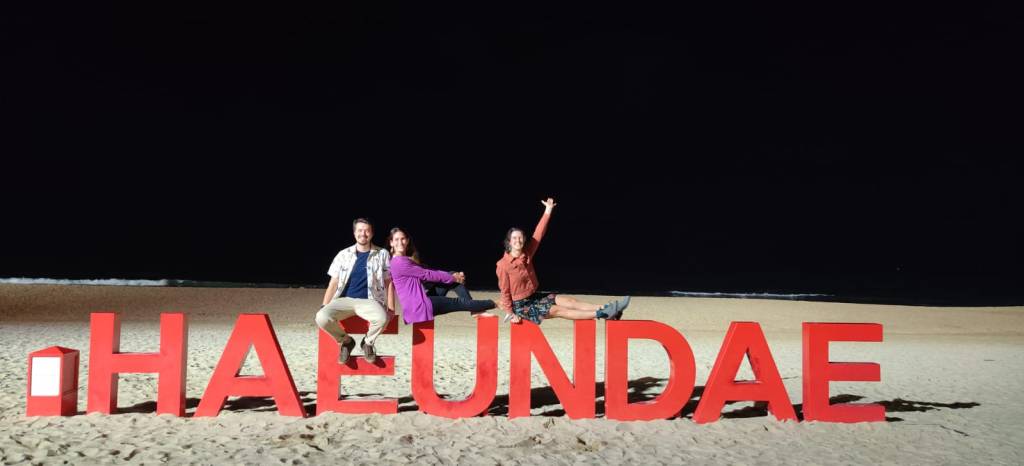
This September I travelled to the Republic of Korea to attend the 7th International Marine Debris Conference and present research on innovative approaches to assessing plastics and bioplastics in marine environments.
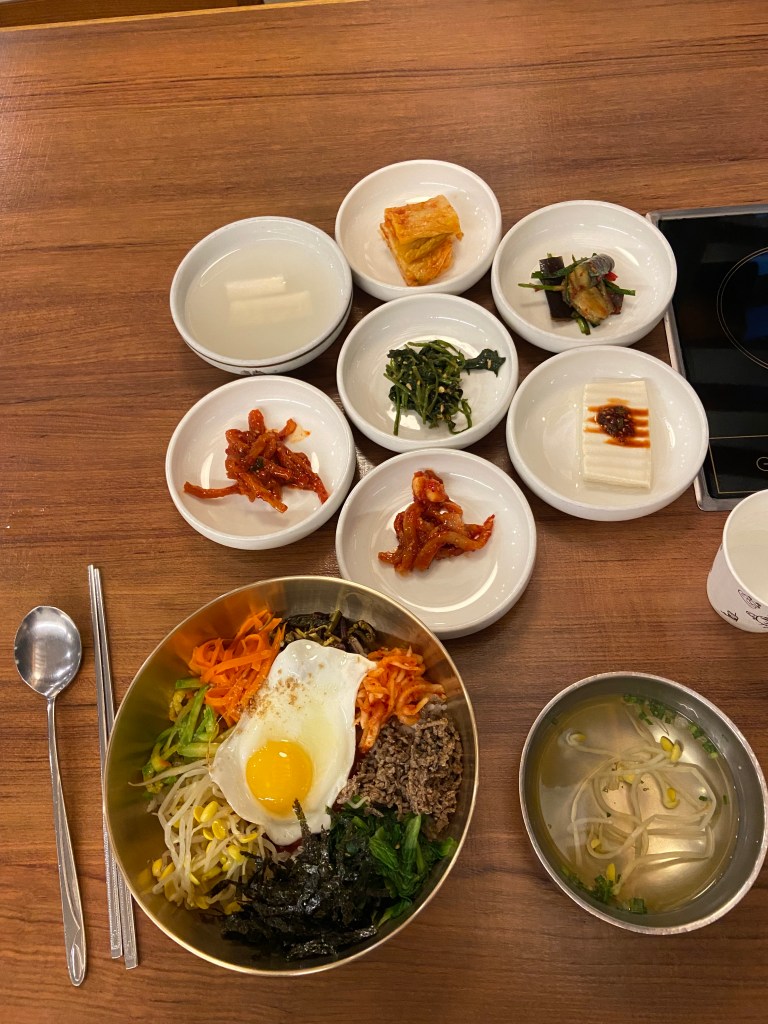
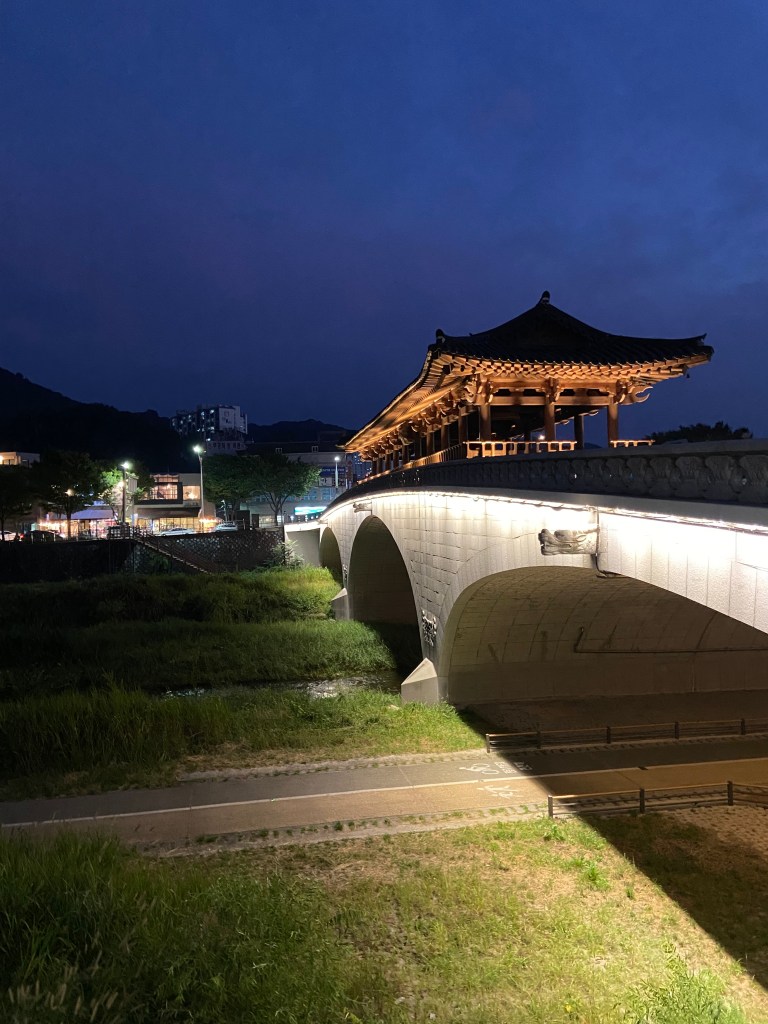
This was my first time in Korea, so I took some extra time before the conference to explore Seoul and Jeonju before heading to Busan for the event. For anyone who hasn’t been, add Korea to the TOP of your list! It is a beautiful country with amazing food, kind people, and excellent public transportation. I am already planning my trip back!
I had been looking forward to this conference for the past 4 years, since the 6th IMDC in San Diego, USA. The conference was large and a little overwhelming at first – how could I choose which talks to attend? They all sounded amazing. This is the first conference I have been to where I found myself hard pressed to decide between sessions because I wanted to listen and absorb all of the information available. I felt like I finally found my people after years of attending more ecology-focused conferences.
I am so lucky to have met and connected with people from around the world who share a similar interest in mitigating and preventing marine debris. I cant wait till next time.








 Lyda Harris, PhD
You must be logged in to post a comment.